
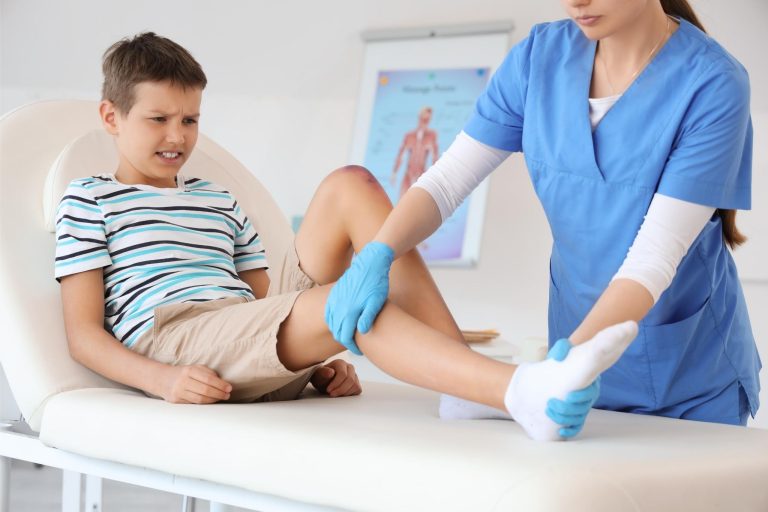
For a parent, nothing is more difficult than seeing their child in pain. Unfortunately, growing pains are a necessary part of development. The good news is that, while these periods are temporary, you can help your child navigate them with significant relief. To support you, here are answers to some of the most common questions we receive.
What Percentage of Children Experience Leg Pain During Growth?
While it’s hard to pinpoint an exact percentage—since not all parents consult a podiatrist—we can assure you that growing pains are very common. Interestingly, podiatrists often observe these issues more frequently in active children and slightly more in boys than in girls.
Are Leg Pains Dangerous for My Child’s Health?
While growing pains are not dangerous, they can cause unnecessary discomfort. There are medical solutions available that can help your child get through these growth phases without suffering from muscular pain.
What Treatment Options Are Available for My Child’s Muscle Pain?
Before seeking medical treatment at a podiatry clinic, you can try some home remedies to ease your child’s discomfort. For example:
- Have your child lie on their back and gently elevate their legs.
- Apply warm compresses to relax tense muscles.
- Massage and stretch the affected areas to provide relief.
If these methods don’t work, it’s time to consult a podiatrist.
Can Custom Orthotics Help My Child During Growth?
Absolutely. Custom orthotics are one of the solutions a podiatrist may recommend. During a consultation, we conduct a biomechanical assessment to determine whether orthotics are the best way to relieve your child’s leg pain.
However, orthotics are not the only option. Sometimes, we simply recommend at-home stretching and muscle-strengthening exercises. Still, when biomechanical correction is necessary, orthotics often yield excellent results in young patients.
Why Does My Child Experience Growing Pains?
Unfortunately, there’s no one-size-fits-all answer. Often, growing pains result from muscle or biomechanical imbalances. For example, if your child’s foot collapses inward (overpronation) or their gait is not optimal, muscles may not function correctly. Over the course of the day, this misalignment can lead to leg discomfort.
Keep in mind that every child’s body is unique, and each responds differently to growth.
Does Heredity Influence Growing Pains?
Heredity doesn’t directly cause growing pains—there’s no specific gene responsible. However, a child might have a genetic predisposition to biomechanical issues, such as flat feet, which can lead to discomfort during growth. In such cases, it’s the structure and function of the foot, rather than genetics alone, that contribute to the problem.
At What Age Are Children Most Likely to Experience Growing Pains?
There are typically two key growth phases:
- First phase: Between the ages of 3 and 6 years.
- Second phase: Between 8 and 12 years, coinciding with the pre-pubertal growth spurt.
After these stages, adolescents may still experience leg pain, but these cases are rarely linked to growth.
How Long Do Growing Pains Last?
The duration varies from child to child. Some experience periodic pain every few months, while others feel discomfort several times a week. However, it is not normal for a child to have persistent leg pain during growth. Early consultation with a podiatrist can help identify and treat the underlying causes.
How Can I Tell If My Child Has Leg Pain If They Don’t Complain?
Young children who experience leg pain may:
- Frequently ask to be carried.
- Prefer sitting activities involving their hands rather than their feet.
In older children, signs may include:
- Loss of interest in sports and physical activities.
- Limping or an asymmetrical gait.
If you observe any of these signs, it’s advisable to consult a podiatrist.
Common Mistakes to Avoid When Managing Your Child’s Leg Pain
The main pitfall is to avoid extremes. Don’t dismiss your child’s pain as unimportant but also resist overanalyzing every symptom. If you have any concerns about your child’s podiatric health, consult a professional for accurate answers and appropriate care.
In summary, growing pains are common but manageable. With the right care—whether through home remedies, custom orthotics, or targeted exercises—children can continue growing comfortably and confidently.