
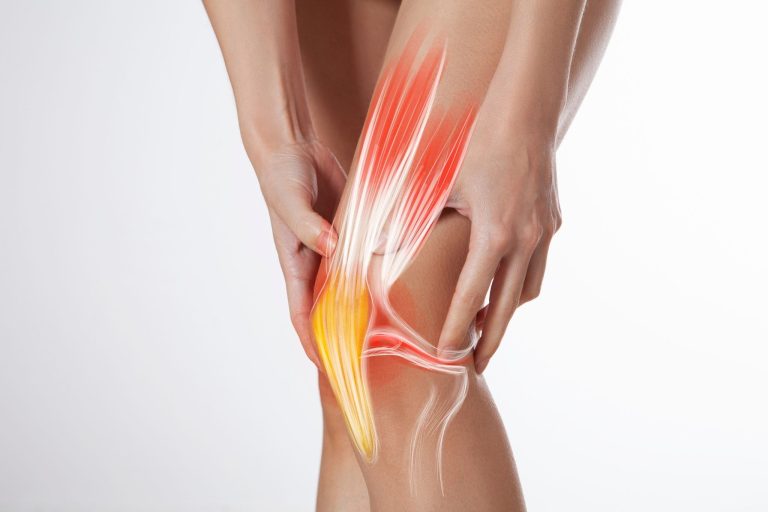
Foot orthoses can be worn to remedy certain biomechanical and postural problems and pains. Depending on the prescription issued by the podiatrist, wearing an orthotic will have both short- and long-term effects on the muscles. Find out how this podiatric treatment can have a positive impact on patients’ quality of life through its effects on the body and muscles.
The benefits of foot orthoses on muscles and posture.
The main aim is to ensure that the body functions optimally. Depending on the prescription, foot orthoses can realign biomechanics and thus promote better muscle performance. In some cases, they can slow the aging of joints and the loss of muscle tone. An orthosis allows patients to maintain their quality of life and continue their activities without pain. For athletes or workers, wearing an orthosis can help prevent injuries to the lower limbs.
Can wearing foot orthoses weaken muscles?
No, under no circumstances can wearing a foot orthosis weaken muscles. Since the foot orthosis promotes biomechanical realignment, it allows the foot to work properly and strengthens muscle tone. Patients receiving podiatric treatment should therefore expect a positive response from their lower body muscles.
What can foot orthotics remedy?
By improving or correcting the patient’s biomechanics, this podiatric treatment can stabilise, reduce or help healing , musculoskeletal and postural problems, etc. The main types of pain treated by plantar orthoses are
- Plantar fasciitis/ heel spur
- Bursitis/ Capsulitis
- Tendonitis
- Hammertoes
- Hallux valgus
- Flat feet
- Knee problems
- All other biomechanical problems.
If you are suffering from foot pain, consulting a podiatrist will enable you to pinpoint the cause of your problems and receive appropriate treatment. It’s not a good idea to put up with pain for too long, to avoid it getting worse. The sooner a problem is tackled, the more effective the treatment will be.
Before wearing a foot orthosis :
Before a foot orthosis is prescribed, the patient may be suffering from pain caused by a biomechanical fault or inadequate alignment. For a number of reasons, the muscles may work inadequately and develop long-term disorders. At your consultation, the podiatrist will assess posture and biomechanics by examining the foot, ankle and posture. He will make a diagnosis and establish a direct link between the cause and the symptom. Finally, if a foot orthotic is required, custom-made impressions are taken.
Progressive wear and muscular reactions:
It is essential to follow the treatment plan associated with your foot orthoses. To begin with, gradual wear is essential. During the adaptation period, the orthoses will cause a reaction in the mechanics of the lower limbs. Patients may experience temporary aches and pains. The treatment will therefore have an effect on the muscles, which will react to the change and the new load. After this short period, the podiatrist will determine a follow-up to measure the effectiveness and compliance of the podiatric treatment and the patient’s reactions.
What factors contribute to the effectiveness of orthoses?
The rate of effectiveness of orthotic is high. However, each treatment is unique, because patients react differently to wearing foot orthoses. The patient’s age, activity level, weight and level of involvement can influence the treatment. That’s why a personalised assessment and plan is drawn up in advance by the podiatrist. To optimise the effectiveness of the treatment, it is preferable to :
- Start with gradual wear
- Be involved in the established treatment plan
- Wear appropriate footwear. Ill-fitting shoes can adversely affect results.
- Follow the recommendations
- Wear your orthoses every day (after the adaptation period)
- Do the prescribed exercises
- Discuss any changes with your podiatrist
- Follow up annually
A mistaken belief about muscle weakness:
It is wrong to believe that wearing foot orthotics can have harmful effects on muscles, especially in terms of weakening them. On the contrary, wearing orthotics allows the muscles to work properly in better alignment with the lower limbs. As well as maintaining their capacity, the muscles will improve and perform better.